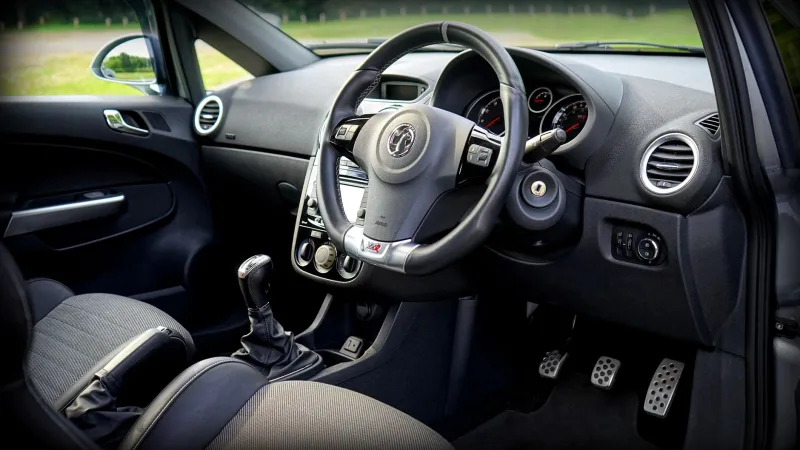
Kick the Tyres, Feel the Bite: A Private-Seller Clutch Inspection Plan for 2026
Photo: Richard N Horne, CC BY-SA 4.0, via Wikimedia Commons
Buying privately can be a good way to get more car for your money, but it comes with a catch: nobody is handing you a warranty and nobody has to fix the clutch if it fails next month. The clutch is one of the most expensive wear items on a manual car, and it is easy to hide a tired one during a ten-minute viewing. A little preparation before you hand over the cash can save you a nasty surprise.
This is not a mechanic’s inspection. It is a practical plan for a UK driver standing on a driveway in November, trying to work out whether the car in front of them has a clutch that will last or one that is already on its way out.
Before the engine turns: cold-start clues
Ask the seller not to warm the car up before you arrive. A cold start tells you more than a warm one. Listen for rattles, squeals or a strange metallic noise when the engine catches. A faint release-bearing noise that disappears when you press the clutch is worth noting, though it is not always a deal-breaker.
Sit in the driver’s seat and press the clutch pedal slowly. It should feel smooth and return properly. A pedal that is very heavy, very light, spongy or slow to return can point to hydraulic trouble or a worn release mechanism. Check the clutch fluid reservoir if you can find it — low fluid or a dark, dirty level is a clue, not a diagnosis. Look under the car for fresh drips near the gearbox area.
Then check the biting point. With the handbrake on and the car in first gear, release the clutch slowly until you feel it start to bite. A very high bite point — almost at the top of the pedal travel — can suggest the clutch is worn, though some cars are like that from new. What matters is whether it feels consistent and whether the car creeps forward smoothly.
The test route that tells you more than a lap around the block
Plan your route before you arrive. A short loop around a housing estate will not reveal much. You want a mix of cold running, a hill, a stop-start section and a chance to reverse. If the seller will not allow a proper test drive with you at the wheel, that is a reason to walk away.
Here is a simple sequence:
- Pull away gently from cold. Feel for judder, shunting or a pedal that grabs suddenly.
- Pull away again with a little more purpose. The car should pick up smoothly without the engine revs racing ahead of the road speed.
- Find a quiet hill and do a hill start. Use the handbrake. Listen for graunching, smell for burning and feel for slip.
- In a safe place, try a high gear at low speed. For example, in fourth at around 30mph, press the accelerator. If the revs rise but the car does not pull cleanly, the clutch may be slipping.
- Reverse into a parking space. Low-speed reversing uses plenty of clutch slip and can expose judder.
- Do a few stop-start moves in traffic. This is where a weak clutch often shows itself.
- If possible, include a short dual-carriageway stretch. A clutch that is fine at 20mph can feel different under load at 60mph.
Keep the radio off. Listen for squeals, rattles and scraping noises. Feel through the pedal for vibration. A clutch should not punish you for using it normally.
Warning signs that should make you pause
Some clues are worth negotiating over. Others are worth walking away from, especially if the seller has no paperwork.
- The engine revs climb but the car accelerates slowly, particularly on a hill or in a high gear.
- You smell burning after a normal hill start or a short drive.
- The car judders when pulling away, especially when cold.
- The biting point is very high and the pedal feels vague.
- There is a whine, rumble or rattle that changes when you press the clutch.
- The pedal is heavy, sticks down or needs pumping.
- There is a vibration through the car at idle that smooths out when you press the clutch — this can point to dual-mass flywheel trouble.
Any one of these does not automatically mean the car is scrap. But it does mean you should factor in the cost of a clutch replacement before you agree a price.
The paperwork and questions that matter
Ask when the clutch was last replaced and request the invoice. A genuine receipt should show the date, mileage, parts used and whether the dual-mass flywheel was changed at the same time. If the seller says it was done recently but cannot produce a receipt, treat the claim as unproven.
Useful questions include: has the car ever towed a caravan or trailer? Has it been used for lots of town driving or hill starts? Is there any warranty on the clutch work, and does it transfer to a new owner? Has the car had any clutch fluid leaks or hydraulic repairs? A seller who is happy to answer these questions and show paperwork is usually a better bet than one who gets defensive.
Check the MOT history online and look for advisories. It will not tell you about the clutch, but it can reveal a pattern of neglect. A service history is useful too, though a stamped book is not a guarantee of gentle driving. Private sales are generally ‘sold as seen’, but the car still has to be as described. Get a written receipt with the seller’s name, address, date, price, mileage and the car’s details.
When to walk, and when to budget
Walk away if the clutch slips on a test drive, if there is a strong burning smell, if the car judders badly or if the seller refuses a proper test route. Walk away if the clutch feels dangerous in traffic or if the paperwork does not match the story.
If the car drives well but the biting point is high or the history is unclear, you can still buy — just budget for a clutch. On many UK cars, a clutch replacement is a few hundred pounds to well over a thousand, depending on the model and whether the flywheel needs doing. Use that figure in your negotiation. A seller who will not move on price when the clutch is clearly tired is telling you something.
Once you have bought, a mobile clutch inspection can give you peace of mind without another garage trip. Williams Mobile Clutch can come to your home or workplace, check the clutch and quote for a replacement if needed. It is a sensible way to start life with a used car: find out what you have bought before a small noise becomes a large bill.