The Tow Bar Doesn’t Tell the Whole Story: Clutch Maths for UK Caravan Owners
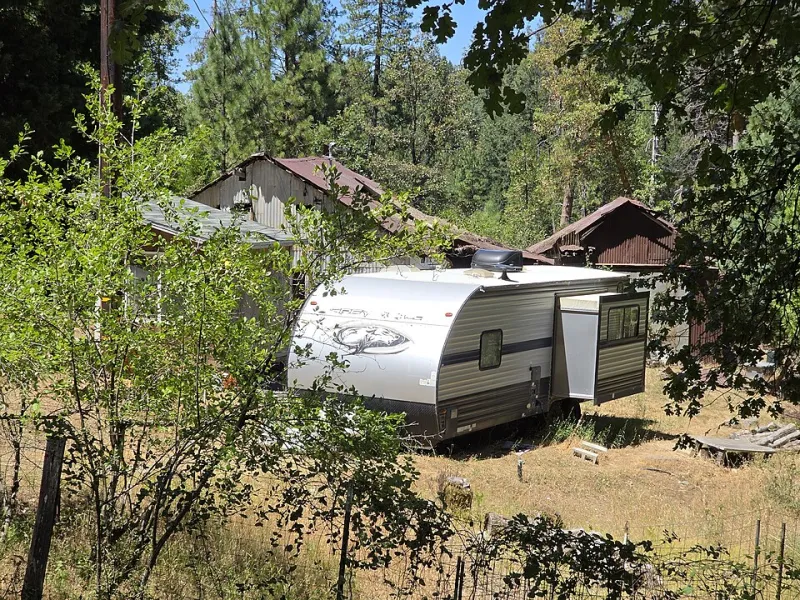
Photo: Cullen328, CC BY-SA 4.0, via Wikimedia Commons
There’s a moment, usually on a damp campsite in the Lake District or a farm-track CL in Devon, when a driver smells something hot and hopes it’s the kettle. It isn’t. Towing asks a lot of a car, and the clutch is often the part doing the unseen heavy lifting. The tow bar might be rated, the caravan might be tidy, and the outfit might look perfectly sensible on the drive — but the clutch doesn’t care about looks. It cares about load, heat and how gently you feed in the power.
Why towing is harder on a clutch than ordinary driving
A clutch’s job is to smoothly connect the engine to the gearbox. Every time you pull away, it slips briefly by design. Do that with a tonne and a half of caravan behind you, on a slope, with wet grass under the tyres, and that brief slip becomes a long, hot conversation between friction plate and flywheel. The engine has to work harder to get the whole outfit moving, so the clutch stays partly engaged for longer. More slip means more heat. More heat means faster wear.
The tricky bit is that towing doesn’t always feel dramatic. Motorway cruising is easy. It’s the low-speed stuff that bites: hill starts at a campsite entrance, shuffling around a tight farm gate, reversing onto a pitch while a helpful neighbour waves contradictory directions, or edging up a wet grassy slope to reach a quieter spot. Those are the moments when a clutch earns its keep — or quietly starts spending your money.
The weight maths worth doing before hook-up
You don’t need a maths degree, but you do need a few real numbers. Start with the car’s kerbweight and the caravan’s MTPLM — the maximum technically permissible laden mass. As a rough guide for less experienced towers, the caravan’s MTPLM should sit around 85% of the car’s kerbweight. It’s not a legal limit, and it isn’t a magic number, but it’s a sensible starting point that leaves a margin for hills, wind and the fact that caravans rarely travel as light as owners imagine.
Then check the car’s towing limit, gross train weight and noseweight limit. Noseweight matters more than many drivers realise: too little and the outfit can feel twitchy; too much and you’re loading the rear axle and clutch with unnecessary strain. Load heavy items low and over the caravan axle, not at the very back, and keep the car’s own payload in mind. A boot full of awning, aquaroll and folding chairs adds up quickly.
If the numbers are tight, don’t rely on the clutch to paper over the gap. A marginal tow car on a steep campsite exit is exactly where a clutch gets cooked. Matching the outfit sensibly is cheaper than replacing a clutch — and far cheaper than recovering a caravan from a muddy field.
Hill starts, reversing and wet grass: the three clutch killers
Hill starts are the obvious one. On a slope, you need more revs and a slower bite to get moving without stalling. With a trailer, the penalty for getting it wrong is higher. Use the handbrake, keep the revs controlled and let the clutch come up smoothly. Don’t hold the car on the clutch at a junction or campsite queue. That’s a fast route to heat and smell.
Reversing is the quiet destroyer. A caravan amplifies every steering correction, so drivers often slip the clutch for long periods while shuffling back and forth. If you can, have someone guide you and stop between adjustments. Short, deliberate movements are kinder than one long, feathery reverse. And if the outfit starts to bog down on wet grass, stop and reassess. Spinning the wheels and slipping the clutch won’t dry the ground — it’ll just add burnt friction material to the mud.
Wet weather raises the stakes because traction drops. A clutch that’s already worn may struggle to transmit power cleanly, and you may notice judder or a high bite point as you try to pull away. On a slippery surface, that can feel like the whole outfit is hesitating. It’s not a styling choice. It’s a warning.
Warning signs under tow
Watch for a clutch pedal that bites near the top of its travel, revs that rise without the car picking up speed, a shudder when pulling away loaded, or a hot, acrid smell after manoeuvring. Any of those are worth investigating before the next trip. A mobile clutch inspection is often the sensible middle ground: no need to limp to a garage, no need to wait until the smell becomes a tow-truck booking. A fitter can check clutch operation, hydraulics and the general condition of the system at home, which is especially handy if your car is currently attached to something heavy.
Towing is meant to be the start of a break, not the end of a clutch. Do the weight maths, treat low-speed manoeuvres with respect and get unusual noises or smells checked early. Your caravan will still be there next weekend. A fried clutch might not be.