Circling the Drain: The Roundabout Habit That Shortens Clutch Life
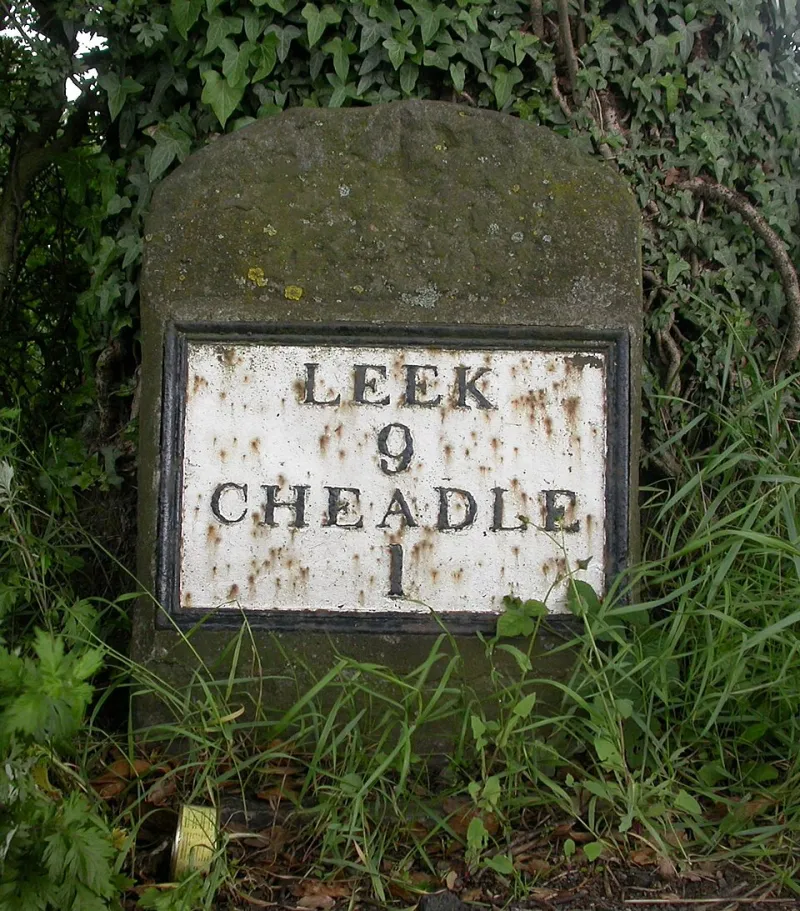
Photo: J Higgins, CC BY-SA 2.0, via Wikimedia Commons
Roundabouts. You can’t avoid them. From the mini-roundabout outside the local Co-op to the sprawling five-exit monster on the bypass, they’re part of the fabric of UK driving. They keep traffic moving, sure. But they also put your clutch through a very particular kind of workout – one that doesn’t show up on the MOT sheet but quietly eats into your bite point.
The Stop-Start Tango
Think about what actually happens at a busy roundabout. You approach, slow down, maybe stop. You wait for a gap. Then you creep forward, clutch half up, half down, ready to pounce. You might do that three or four times before you finally commit. Each of those little shuffles involves slipping the clutch – the friction disc sliding against the flywheel while you hold the pedal somewhere between fully down and fully up.
That slipping is normal and necessary. It’s how you pull away smoothly. But it also generates heat and wears down the friction material. Do it once or twice a journey and it’s fine. Do it at every roundabout, every day, and the wear adds up fast.
Why Roundabouts Are Worse Than Traffic Lights
With a red light, you stop, you wait, then you go. One clean pull-away. A roundabout is rarely that simple. You might arrive with a car already circulating, so you stop. Then another appears, so you stay stopped. Then a gap opens but it’s tight, so you creep forward to get a better view – clutch slipped. Then you decide not to go, so you dip the clutch again. Then the gap widens, and you finally release the pedal fully.
That’s three or four partial engagements where a traffic light would have given you one. And if the roundabout sits on a slope – common enough on older UK road layouts – you’re also doing hill starts. Without a handbrake, that means holding the car on the bite point while you wait for a gap. That’s the clutch equivalent of holding a heavy shopping bag at arm’s length: it’s not designed for it, and it burns.
The Habits That Make It Worse
Most drivers don’t set out to abuse their clutch. But a few common roundabout habits accelerate wear without you noticing.
Hovering on the bite. You know the one: clutch pedal pressed halfway, car in gear, foot ready to move. You’re not quite stopped, not quite going. That’s pure slip. If you’re waiting more than a second or two, get the pedal fully down or select neutral.
Creeping forward for a better view. It’s tempting at a blind mini-roundabout. But every creep is another slip. Try stopping a little further back so you can see without shuffling, or use the car’s position to judge the gap.
Rushing the gap. When you finally see a space, the temptation is to dump the clutch and go. That can cause a jerk and extra wear. A smooth, progressive release is kinder – even if it feels slower.
Ignoring the handbrake on hills. On a sloped roundabout approach, many drivers hold the car on the clutch rather than the handbrake. That’s a fast track to a burnt clutch. Use the handbrake. That’s what it’s for.
How to Reduce the Strain
You don’t need to avoid roundabouts (good luck with that). You just need to be a bit more deliberate.
First, anticipate the gap. As you approach, look at the traffic already on the roundabout and the cars ahead. If you can see a clear gap coming, you might not need to stop at all – just slow down, select the right gear, and keep rolling. A rolling entry with the clutch fully engaged is far kinder than a stop-start shuffle.
Second, commit to your stop. If you do have to stop, stop properly. Clutch down, foot on the brake, handbrake on if you’re on a slope. Don’t sit there half-engaged hoping a gap appears.
Third, use the bite point deliberately. When you pull away, release the clutch smoothly and completely. Don’t hold it at the bite unless you’re actively moving off. And once you’re moving, get your foot off the pedal entirely – resting your foot on the clutch is a classic cause of premature wear.
Finally, think about your approach speed. If you arrive at a roundabout too fast, you’re more likely to brake late, stop abruptly, and then rush the pull-away. Slowing down earlier gives you more time to assess the gap and make a smooth, clutch-friendly entry.
When to Get It Checked
Even with perfect technique, clutches wear out. But roundabout-heavy driving can speed that up. If you notice a high bite point, slipping under acceleration, or a burning smell after a busy junction, it’s worth getting a professional opinion. A mobile clutch specialist can come to your home or workplace and check the wear without you losing a day at the garage.
Roundabouts are here to stay. But with a little awareness, you can stop them from quietly draining your clutch – and your wallet.