The Four-Figure Clutch Bill: Repair It, Replace It, or Put the Money Toward Something Else in 2026
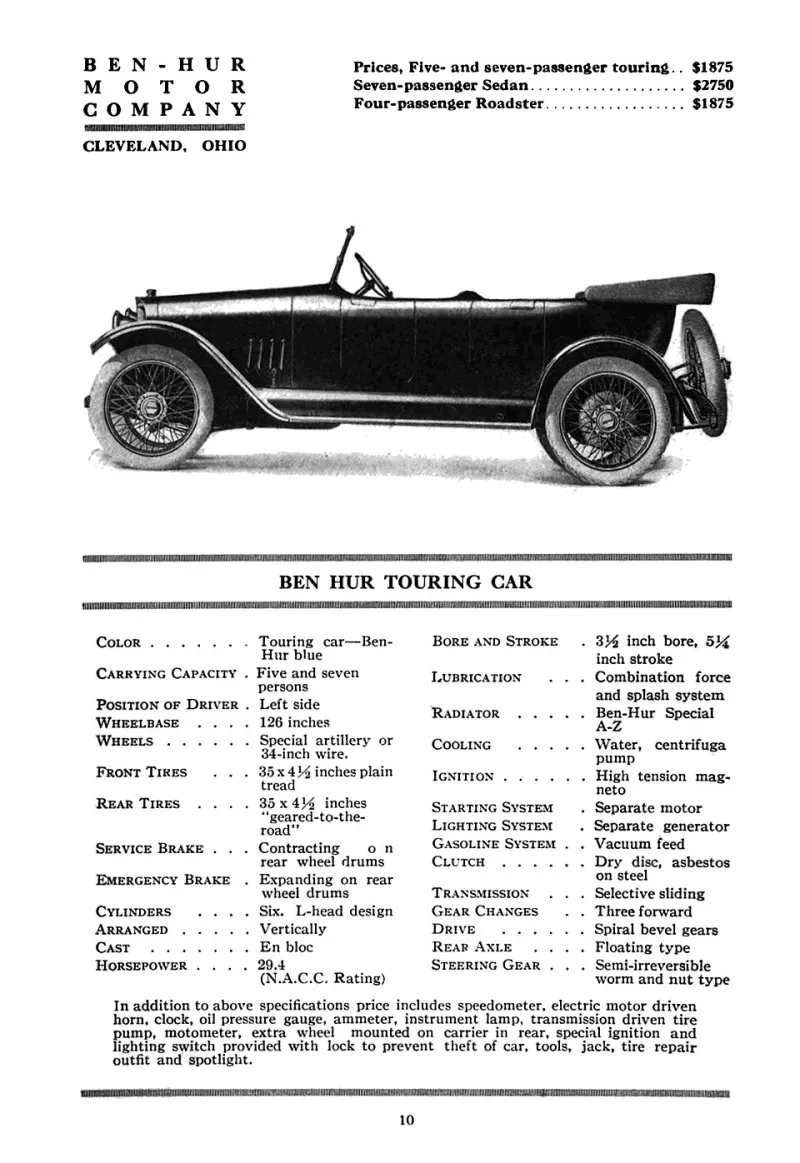
Photo: McClure Publications Inc., Public domain, via Wikimedia Commons
There's a particular silence that follows the words 'your clutch has gone'. Then comes the number, and then comes the internal argument: is this car worth it, or is this the moment to quietly start browsing Autotrader at eleven at night?
It's rarely a purely financial question, but the financial part is the only bit you can actually put numbers against. So let's do that properly, without the doom and the wishful thinking.
Step one: find out what has actually failed
This gets skipped constantly, and it's where people spend money they didn't need to. 'Clutch gone' is a description of a symptom, not a diagnosis.
A soft or sinking pedal is often a hydraulic fault — a leaking slave cylinder, a failing master cylinder, a split hose. That's a repair, not a replacement, and it's a fraction of the cost. A heavy pedal with a high bite point is more typically genuine clutch wear. A rattle that disappears when you press the pedal points at the release bearing. A judder from standstill can be contaminated friction material or a warped flywheel. A crunch into gear that happens in every gear, hot or cold, might not be the clutch at all.
Ask directly: what have you found, and how did you test it? If the answer is vague, get a second opinion. It's the cheapest hour of labour you'll ever buy.
Step two: know the realistic 2026 cost bands
Prices vary by region, by car and by how much of a fight the bolts put up, but here's the landscape for UK drivers right now.
- Hydraulic or cable repair: roughly £90 to £280 depending on parts and access. Sometimes under £100 for a cable adjustment or a simple bleed.
- Standard clutch kit replacement, independent or mobile: around £420 to £800 for common hatchbacks and family cars.
- Clutch plus dual-mass flywheel: add £350 to £700 on top, so £800 to £1,400 all in.
- Concentric slave cylinder (the one buried inside the gearbox): add £80 to £180, and always worth doing while the box is off.
- Main dealer pricing: broadly £900 to £1,600 for the same work on a mainstream model.
Two things to note. First, a mobile fitter usually sits at the lower end of those bands because there's no workshop overhead to cover — but they should still be quoting you for a full kit plus release bearing, not just a friction plate. Second, if a quote is dramatically below the band, ask what's being left out.
Step three: the brutal arithmetic
Here's the calculation that actually settles most of these arguments.
Take the car's realistic private-sale value today, not the sentimental value and not the price of an equivalent replacement. Subtract the clutch bill. That figure is what you'd effectively have left if you kept the car and sold it tomorrow. Compare it with what it would cost to buy a replacement of similar age and mileage — and remember that the replacement comes with its own unknown clutch.
A few worked examples, using typical 2026 figures:
2014 Fiesta 1.0 EcoBoost, 88,000 miles, worth about £3,000. Clutch kit quoted at £560. Remaining value after the work: roughly £2,440, in a car with a fresh clutch. That's a strong case for keeping it.
2016 Golf 2.0 TDI, 132,000 miles, worth about £4,500. Clutch and dual-mass flywheel quoted at £1,150. Remaining value: about £3,350. Borderline. Diesel Golfs at that mileage have plenty of life left, but the next big bill is always lurking. Worth it if the service history is solid and the bodywork is clean.
2011 Corsa 1.2, 112,000 miles, worth about £1,150. Clutch quoted at £540. Remaining value: roughly £610. This is the point where you're spending half the car's worth on one component. Unless you're attached to it, or it's genuinely immaculate underneath, this is usually where you stop.
Step four: the questions that beat the spreadsheets
Numbers don't cover everything, so run through these honestly.
- Is there another expensive job due? Cambelt, timing chain, turbo, suspension rebuild, a looming MOT advisory list — these compound fast.
- How long is the MOT? A car with ten months left has more runway than one due next month with unknown faults.
- Is the bodywork and interior sound? A solid shell with a tired engine is a better bet than a tidy engine in a car that's dissolving along the sills.
- Do you know the car's history? Regular servicing and receipts change the risk profile completely.
- How many miles do you do? Someone covering 18,000 miles a year is buying different value from a car than someone doing 4,000.
- Would you actually replace it, or just put the problem off? Plenty of people decide to run the car 'for now', then buy something else within four months anyway.
- Can you pay for the fix without credit? A clutch on a 0% card is a different proposition from a clutch on a high-rate loan.
- Is the car worth more in parts than as a trade-in? Sometimes it is, but be realistic — that route takes time, space and effort.
Step five: what part-exchange really means
If the car doesn't currently drive, or drives badly, most dealers will price it as scrap or near-scrap on trade-in. That's not dishonesty, it's how they handle risk. You'll generally do better repairing first and selling privately, or repairing and keeping it — provided the repair cost stays well under half the car's value.
Be wary of the tempting 'we'll take it as it is' offer from a dealer who is also selling you a replacement. Work out the total cost of the deal, not the headline trade-in figure.
The short version
If the fault is hydraulic, repair it — it's almost always the right call. If it's a genuine clutch and the bill is comfortably under half the car's value, and there's no other major work due, fix it and keep going. If the bill approaches or exceeds half the value of a car that's already past 120,000 miles with a patchy history, the money is better spent elsewhere.
And whatever you decide, get the diagnosis in writing first. The most expensive clutch decision isn't the one you agonise over — it's the one you make before anyone has actually looked underneath.