The Extra Second on the Slope: What Hill-Start Help Really Does to Your Clutch

Photo: manual car hill start steep UK country lane driver clutch pedal, via www.101dogbreeds.com
On a wet November morning in the Yorkshire Dales, a hill start can feel like a small exam. You are stopped on a narrow incline, a car is waiting behind, and the road ahead climbs away between drystone walls. Modern cars often offer a helping hand here: hill-start assist, auto-hold, or an electronic parking brake that lets go when you pull away. It can feel as though the car has taken over the hard part. In practice, it has only bought you a little time.
That distinction matters for your clutch. These systems can genuinely reduce strain when they are used well, but they can also disguise a lazy hill start and let the driver lean on the clutch for longer than necessary. Our mobile fitters see the results often enough to know the difference.
What hill-start assist is actually doing
Hill-start assist is not a clutch controller. It is a brake controller. When you release the footbrake on a slope, the system holds pressure for a short window, usually a second or two, so the car does not roll backwards while you move your left foot to the clutch and your right foot to the throttle. That is the whole trick.
It does not find the bite point for you. It does not match engine revs to the road angle. It does not stop you from slipping the clutch too much if you are timid with the pedals. It simply gives you a brief pause in which to make a proper start. If you use that pause to think about what your feet are doing, it is a useful safety aid. If you use it to delay the moment of commitment, the clutch still has to do the work when the brake pressure drops away.
Auto-hold and electronic parking brakes are not the same thing
Drivers often lump these systems together, but they behave differently. Auto-hold usually keeps the brakes applied after you stop until you press the throttle or, in some cars, until you release the clutch to a certain point. An electronic parking brake may release automatically as you pull away, or it may need a deliberate press or a firm throttle input. The exact logic varies from one manufacturer to another, and it can vary within the same model range.
That is why the first hill start in an unfamiliar car can feel slightly awkward. You are not just learning the clutch bite; you are learning the handshake between the brake system and the drivetrain. Some cars release cleanly and smoothly. Others hold on a fraction longer, which can tempt you to add more revs and slip the clutch harder to overcome the resistance.
Where the help is genuine
There are plenty of UK slopes where these systems earn their keep. Multi-storey car park ramps are a good example: tight, steep, often wet, and usually with a queue of cars behind you. A brief brake hold removes the rollback panic and lets you concentrate on a smooth start. The same goes for steep junctions onto fast rural roads, ferry ramps, and the awkward exit from a sloping supermarket car park.
In those situations, hill-start assist can reduce clutch strain indirectly. A calmer driver is less likely to over-rev, less likely to snatch the pedal, and less likely to hold the car on the clutch while waiting for a gap. That is a real benefit. The clutch is not being spared by magic; it is being spared because the driver is making fewer messy corrections.
Where the clutch is still doing the work
The trouble starts when drivers treat the assist as a substitute for technique. On a genuinely steep lane, with a full load of passengers or a boot full of holiday luggage, the engine has less margin. The brake hold releases, gravity takes over, and the clutch has to manage the gap between engine speed and road speed. If you are slow to release the pedal, or you keep the car creeping on the bite, the friction material pays for that extra second.
This is especially noticeable in stop-start traffic on an incline. A driver may edge forward, stop, edge forward again, relying on auto-hold each time and never fully settling the clutch. The car feels controlled, but the clutch is being asked to perform a series of tiny, half-committed starts. Do that often enough and the wear adds up.
The signature of a half-hearted hill start
Our mobile fitters do not need to see you drive to pick up clues. A clutch that has spent a lot of time in hesitant hill starts often shows a particular pattern: glazed friction surfaces, hot spots, a faint burnt smell that lingers after a short drive, or a judder when pulling away from rest. Drivers may report that the bite point feels higher than it used to, or that the car needs more revs to get moving on a slope.
None of these clues proves that hill-start assist is to blame. Wear is always a mixture of mileage, load, driving style and the condition of the hydraulic system. But when a driver says the car is mostly used around a hilly town and the clutch feels tired early, the way those slopes are being tackled is part of the conversation.
A better handshake in practice
Treat the system as a pause, not a substitute. On a slope, let the brake hold do its job while you find the bite point properly. Build a small amount of revs, feel the car begin to pull against the brake, and then commit. Do not wait for the hold to time out and then rush the pedals. Do not sit on the bite for several seconds while you look for a gap. If you need to wait, use the brake or the parking brake and keep the clutch pedal down.
It also helps to learn your own car's release behaviour on a quiet slope before you meet a busy one. Every system has its own rhythm. The driver who understands that rhythm is less likely to fight it with extra revs and clutch slip.
What to tell a mobile fitter
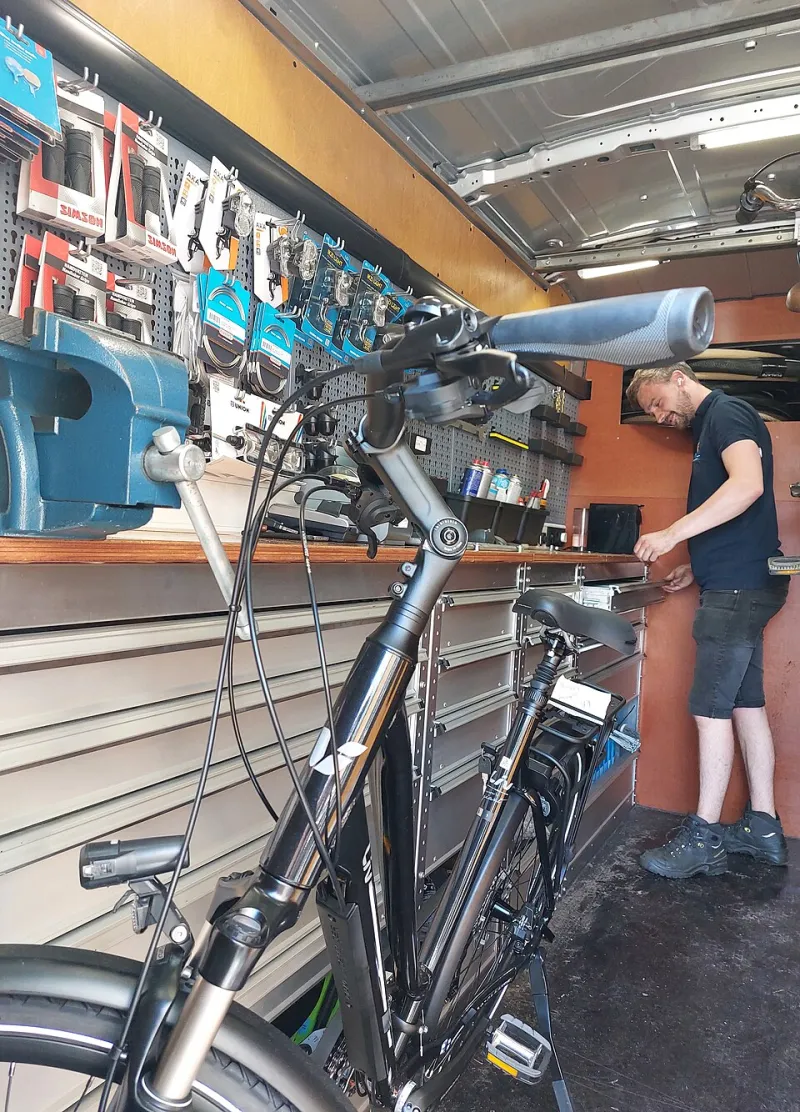
If your clutch feels vague, smells hot after short hill starts, or shudders when you pull away, say where and how the car is driven. Mention the slopes, the traffic, the loads and whether you rely on auto-hold. A mobile clutch inspection at your home or workplace can check the pedal feel, hydraulic operation and the condition of the clutch without you having to limp to a garage. The hill-hold handshake is meant to help you; it should not leave your clutch doing all the talking.