The Yard Stays Open: Mobile Clutch Repair for Two- and Three-Van Fleets
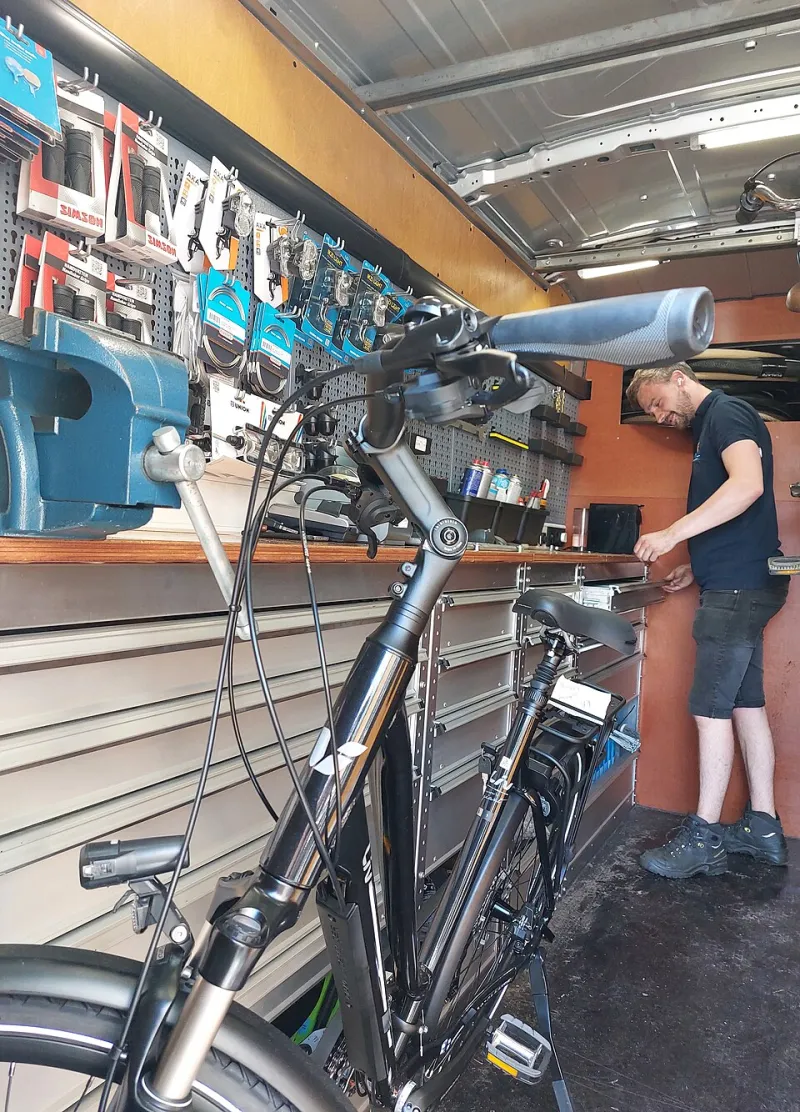
Photo: Mx Lucy, CC BY-SA 4.0, via Wikimedia Commons
A two-van operator does not need a fleet manager to tell them that downtime is expensive. They feel it every time a vehicle disappears into a garage for two or three days and the day’s calls get reshuffled, subcontracted or cancelled. The clutch might be the fault, but the real cost is the empty bay, the missed job and the hire van that was booked at short notice.
That is why more UK tradespeople, couriers and small business owners are asking a simple question: can the clutch be done here, at the yard, while the rest of the day carries on? Mobile clutch fitting is not a magic trick, and it is not right for every site. But when the conditions are sensible, it can turn a disruptive garage visit into a controlled morning’s work.
The bill you do not see on the quote
A garage quote for a clutch replacement is easy to compare on paper. The hidden costs are harder to pin down. There is the trip to drop the van off, the trip to collect it, the hours when nobody can reach you, and the knock-on effect on customers who expect you to turn up when you said you would.
For a small fleet, that lost productivity can easily run into hundreds of pounds a day. A mobile fitter arriving at your yard does not erase the repair cost, but it can remove a chunk of the disruption. The vehicle stays on site, the keys stay with you, and the work can be scheduled around a quiet morning or a gap between jobs.
How depot-based mobile clutch fitting actually works
A mobile clutch fitter typically arrives with the replacement clutch kit, hand tools, hydraulic equipment, jacks and axle stands, and the diagnostic gear needed to check the fault and reset any electronic clutch adaptations. Some jobs can be completed at the kerbside, but a depot or yard is usually the better setting: more space, less traffic, and a safer working area.
The fitter will assess the vehicle, confirm the diagnosis and check that the correct kit has been supplied. Clutch replacement often means removing the gearbox, so the vehicle needs to be raised safely and there needs to be room to work around it. If the flywheel is worn, or the concentric slave cylinder is leaking, that may add time and cost. A good fitter will explain those findings before proceeding, not after the gearbox is already on the floor.
Access and safety conditions fitters need
Mobile fitters are not being fussy when they ask about the surface. A clutch job involves heavy components, jacks and a vehicle that needs to be stable. The ideal depot setup is flat, firm ground with enough clearance around the vehicle for the fitter to move safely and for doors to open.
Practical conditions usually include:
- A solid, level surface such as concrete or good tarmac, not soft gravel or grass
- Enough space around the vehicle to work, with no overhead obstruction
- Safe access for the mobile van, ideally without tight gateways or steep ramps
- Permission from the site owner or landlord if the yard is shared
- A safe place to store removed parts and dispose of waste properly
- Adequate lighting if the work runs into the afternoon or evening
It also helps to have the vehicle unlocked, the keys available and any immobiliser or wheel-lock details to hand. If the van is parked nose-in against a wall, or boxed in by pallets, the job may take longer or need to be moved before work starts.
Comparing a depot quote with a garage quote
Do not compare the headline number in isolation. Ask for an itemised quote that shows the clutch kit, labour, callout or mobile fee, VAT, and any charge for disposal or additional parts. A garage quote may look cheaper until you add recovery, a hire van, fuel and the time spent running the vehicle back and forth.
Ask which clutch is being fitted. A reputable brand and the correct kit for your van matter more than a vague promise of a quality part. For vehicles that tow, carry heavy loads or spend their lives in stop-start traffic, it is worth asking whether a standard kit is appropriate or whether a heavier-duty option makes sense. The cheapest clutch is rarely the best value if it has to be replaced again in two years.
Also ask whether the price includes a new release bearing and, where applicable, a concentric slave cylinder. These are labour-intensive parts to reach, so replacing them while the gearbox is off is usually sensible. If the dual-mass flywheel is worn, get that conversation out in the open early.
Questions small fleets should ask before booking
Before you book a mobile clutch repair at your yard, ask:
- What is the warranty on parts and labour, and is it time-limited or mileage-limited?
- What would void the warranty, and who handles a claim if something goes wrong?
- Will the invoice record the vehicle registration, mileage and clutch kit fitted?
- Does the fitter carry out any necessary electronic reset or adaptation after fitting?
- What happens if the flywheel or slave cylinder needs replacing once the gearbox is removed?
- Can the work be done without blocking access for the rest of your fleet?
Making the yard work for you
If you run two or three vehicles, the most useful thing you can do is plan the repair around your actual workload. Clear the space the night before, move pallets and bins, and make sure the vehicle is reachable. Tell the fitter about any site rules, gate codes or parking restrictions. If you have a second van, use it to cover the urgent calls rather than cancelling them.
Mobile clutch repair is not a substitute for proper maintenance, and it will not suit every yard. But for small UK fleets that count every lost hour, a depot-based fitting can be a practical way to get a tired clutch sorted without shutting the whole operation down.