Stop Riding the Bite: The Left-Foot Habit That Quietly Funds Your Next Clutch Repair
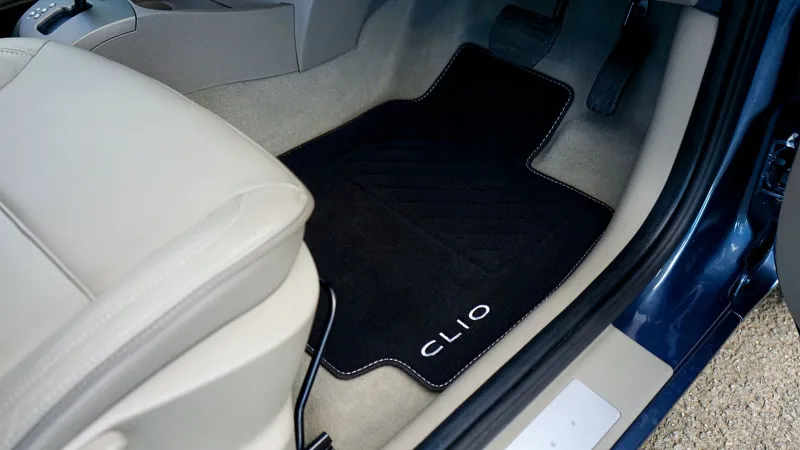
Most UK drivers have heard the phrase “riding the clutch” and nodded along. We know it’s bad. We know it wears things out. But there’s a quieter version of the habit that slips under the radar: simply resting your left foot on the clutch pedal between gear changes. Not pressing it to the floor. Not holding the car on a hill. Just a bit of toe-weight, a casual resting place for a foot that isn’t sure what else to do.
That small weight is enough to keep the clutch partially disengaged. And a clutch that never fully engages is a clutch that’s always working, always generating heat, and always wearing. The cost doesn’t show up today. It shows up months later, usually as a release bearing whine, a slipping friction plate, or a quote you weren’t expecting.
The Difference Between a Rest and a Ride
A clutch is a simple idea with a lot of precision inside it. When your foot is off the pedal, the pressure plate clamps the friction plate firmly against the flywheel. Everything turns together. No slip, no wear, no drama.
The moment you put even light pressure on the pedal, you start to release that clamp. The friction plate begins to slip against the flywheel. It might be a tiny amount. It might not be enough to notice through the seat. But it’s enough to create heat and abrasion. Rest your foot there for mile after mile, and you’re asking the clutch to do a little bit of work constantly.
This is why the habit is so deceptive. It doesn’t feel like a bad driving technique. It feels like a comfortable foot position. But the clutch doesn’t know the difference between “resting” and “riding”. It only knows load, slip and heat.
Two Parts, One Expensive Lesson
The two components that take the brunt are the release bearing and the friction plate.
The release bearing is the part that presses against the clutch diaphragm when you change gear. When your foot is off the pedal, it should be at rest. When you rest your foot on the pedal, the bearing is kept under load. It spins continuously against a spinning surface, often without the lubrication and cooling it gets during a normal, brief gear change. Over time, that constant load turns into a chirp, then a rumble, then a bearing that needs replacing.
The friction plate is the other side of the equation. Even a small amount of pedal pressure can stop the plate from being fully clamped. The result is slip. Slip means friction. Friction means wear. And wear means a thinner friction plate, a higher bite point, and eventually a clutch that struggles to transmit power under load.
Neither part is designed to be abused by a resting foot. And because they’re buried inside the gearbox bell housing, replacing them isn’t a five-minute job.
Why the Habit Sneaks In
UK driving gives us plenty of excuses. Traffic queues, roundabouts, hill starts, car parks, school runs and the stop-start rhythm of a busy town all encourage us to keep the left foot ready. Add in a pair of thick-soled boots, a seat pushed a little too far back, or a footwell without a proper dead pedal, and the clutch pedal starts to look like a convenient footrest.
It’s especially common for drivers who learned in a car with a light clutch and then moved to something with a heavier pedal. The foot naturally finds the pedal because it feels like a stable place to rest. But the clutch is not a footrest. It’s a wear item with a limited lifespan, and every unnecessary touch shortens that lifespan.
The Symptoms You Might Catch Early
A clutch damaged by resting-foot syndrome doesn’t usually fail overnight. It gives you clues. The trick is knowing what to listen and feel for.
- A bite point that creeps higher. If the clutch engages nearer the top of the pedal travel than it used to, the friction plate may be wearing thinner.
- A faint chirp or squeal when you press the pedal. That can be the release bearing complaining under load.
- A slight smell after a normal drive. A hot, friction-like smell after gentle driving is a warning sign of slip.
- Revs rising without matching speed. If the engine note climbs but the car doesn’t pull as it should, the clutch may be slipping under load.
- A less positive pedal feel. The pedal might feel vague, sticky or slower to return.
- Vibration or judder when pulling away. This can point to a worn or contaminated friction surface.
None of these symptoms guarantee the clutch is on its way out, but they’re worth investigating before they become a bigger, pricier problem.
A Two-Minute Driveway Check
You don’t need a ramp to do a basic sanity check. On a cold start, with the car in neutral and the handbrake on, press the clutch pedal slowly and listen. A healthy clutch should be quiet. A failing release bearing often makes a soft whirr or chirp that changes as you press and release.
Next, find a flat, private surface and gently feel for the bite point. It should be consistent and not right at the top of the pedal travel. If it feels high or vague, make a note. You can also look at the pedal rubber. A worn patch on the left side of the pedal can be a clue that your foot is resting there more than you realise.
And be honest with yourself about your driving position. Sit with your back against the seat and your left foot naturally falling to the side. If it lands on the clutch pedal rather than the footwell floor, you’ve found the habit.
Reset Your Left Foot
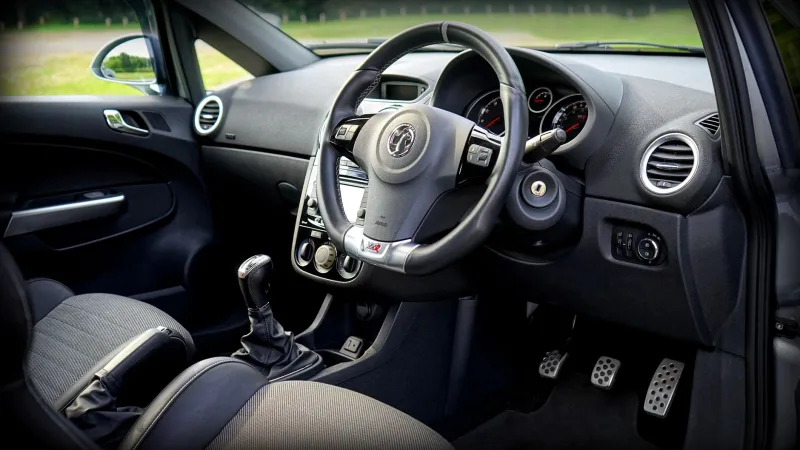
Fixing this is mostly about giving your foot somewhere else to go. Use the dead pedal if your car has one. If it doesn’t, tuck your foot flat on the floor to the left of the clutch. Adjust your seat so you’re not reaching for the pedals. Thin-soled shoes can help you feel the bite point more clearly, which makes it easier to release the pedal fully.
At traffic lights, put the car in neutral and take your foot off the clutch. Don’t sit in gear with the pedal pressed unless you’re about to move. On roundabouts, make your gear change and then move your foot away. It sounds fussy, but it’s the difference between a clutch that lasts and a clutch that’s always being asked to do a little extra.
When the Habit Has Already Cost You
If the symptoms are already there, don’t wait for the clutch to fail completely. A worn release bearing can damage the pressure plate, and a slipping friction plate can overheat the flywheel. What starts as a small habit can turn into a bigger repair.
This is where mobile clutch fitting makes practical sense. A mobile fitter can come to your home or workplace, inspect the clutch, and replace the worn components without you having to drive a car with a failing clutch across town. For anyone in the UK who relies on their car for work or family life, that convenience matters. It also means you can get a clear quote before the job begins, rather than discovering the full cost after the gearbox is already out.
Williams Mobile Clutch covers clutch repair and mobile fitting across the UK, so if you suspect your left foot has been quietly funding a repair, it’s worth getting it checked sooner rather than later.
The Bottom Line
The clutch pedal is not a footrest. It’s a control. Resting your foot on it between gear changes might feel relaxed, but it keeps the release bearing loaded and the friction plate slipping. That’s heat, wear and money, just spread out over time so you don’t notice it happening.
Move your foot, adjust your seat, and listen for the early clues. Your clutch has a finite life. There’s no need to spend it on a resting toe.