The Noises Under Your Left Foot: A Clutch Sound Guide for UK Drivers
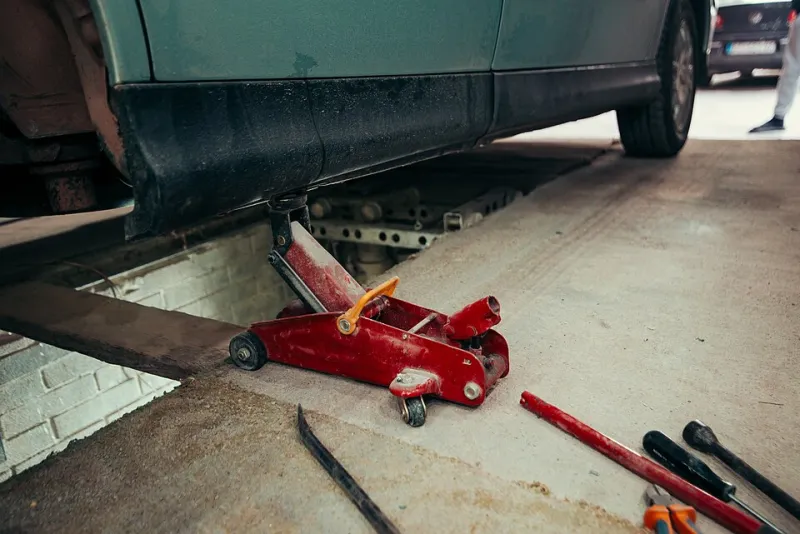
Photo: Shixart1985, CC BY 2.0, via Wikimedia Commons
Clutch noises are a bit like a cough: the sound matters, but so does when you hear it. A squeak as you press the pedal is different from a rattle at idle or a grind as you select first. This guide translates the common noises UK drivers describe, so you can decide what is safe to keep an ear on and what deserves a prompt look. It is not a substitute for a proper inspection, but it should help you describe the problem clearly when you book.
A squeak or squeal when you press the pedal
If the noise appears as soon as you touch the clutch and disappears when you release it, the release bearing is a common suspect. It is the bearing that takes the load when you disengage the clutch. Early on, it may only squeak when cold or damp. A dry pedal bush or a worn linkage can also squeak, especially in older cars. A light, occasional squeak that settles after a few minutes is often safe to monitor. A constant squeal, or one that gets louder over a week, is worth checking.
A rattle at idle that changes when you press the clutch
Rattles are trickier because they can come from the clutch, the gearbox or even a heat shield. If a rattle disappears when you press the pedal, it may be related to the release mechanism or input shaft. If it appears only when the pedal is down, that points more toward the release bearing or pilot bush. A heavy rattle on pull-away, especially with a shudder, can suggest a dual mass flywheel on cars that use one. Do not ignore a new, heavy rattle get it listened to.
Grinding when you change gear
Grinding as you select a gear usually means the clutch is not disengaging fully. That can be a hydraulic fault, a worn release mechanism, a stretched cable on older cars, or a clutch that is dragging. It can also be a gearbox synchromesh issue, which is why a proper diagnosis matters. If you have to force the lever, or if reverse crunches every time, stop treating it as a technique problem and book a check.
Scraping, whirring or metal-on-metal
These are the sounds that tend to move a job from monitor to book soon. A scraping or whirring that follows the pedal, or a metallic grind that does not go away, suggests something is contacting that should not be. If the car is also slipping, smelling hot, or struggling to pull away, avoid long drives. A mobile fitter can often diagnose on your driveway if the car is still safe to move, but a car that will not select gears or drive may need recovery.
What is usually safe to monitor
An occasional cold squeak that disappears within a few minutes. A faint rattle on a very cold start that clears as the engine warms. A slight change in pedal feel on damp mornings that settles. These are worth noting, not panicking over. Keep a simple log: when it happens, whether the engine is cold or warm, and whether the pedal is pressed, held or released.
What needs attention sooner
Grinding when selecting gears. A pedal that sinks or feels spongy. A burning smell after gentle driving. A clutch that slips under load after warm-up. Any noise that gets worse within days rather than weeks. If you are unsure, err on the side of a check clutch failure can leave you without drive, and it rarely chooses a convenient moment.
How a mobile fitter can help
A mobile clutch specialist can listen to the car, check the hydraulic system, inspect pedal travel and, where possible, carry out a road test. Doing this at home or work means you do not have to arrange a tow for a car that still drives. You also get to describe the noise in context: the cold start, the hill, the reverse park. At Williams Mobile Clutch, we cover clutch repair and mobile fitting across the UK, and we will tell you if the sound you are worried about is one to watch rather than one to repair.