Soft Pedal, Late Bite: The Hydraulic Clutch Faults UK Drivers Shouldn’t Ignore

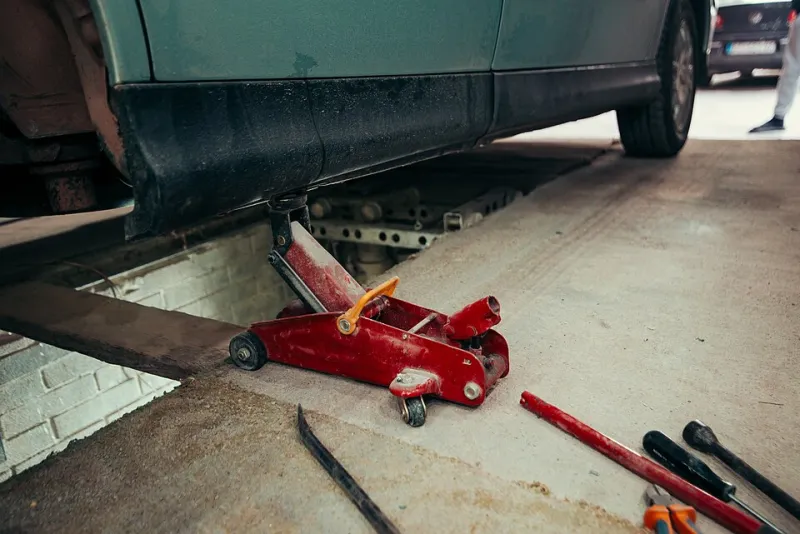
Photo: CEphoto, Uwe Aranas, CC BY-SA 3.0, via Wikimedia Commons
Clutch pedals are easy to take for granted. You press, you change gear, you get on with your day. Then one morning the pedal feels soft, sinks closer to the carpet than it should, or the bite point arrives so late you wonder whether it is going to arrive at all. That is usually the moment UK drivers start looking into clutch hydraulic faults — and it is a sensible moment to do so.
What a healthy clutch pedal should feel like
A healthy hydraulic clutch pedal should feel firm but not heavy, with the same amount of travel and the same bite point each time you use it. It should return promptly when you lift your foot. It should not need pumping, and it should not change from one junction to the next.
If the pedal has become spongy, slow to return, or willing to sink towards the floor, the problem is often in the hydraulic side of the system rather than the clutch plate itself. That does not make it less serious. It just changes what needs checking.
The hydraulic system in plain English
Most modern manual cars use a hydraulic clutch. The pedal pushes a piston in the master cylinder, fluid travels through a pipe or hose, and a slave cylinder moves the release mechanism at the gearbox. Think of it as a push-and-push-back arrangement. The fluid is meant to be incompressible, so the movement is transferred neatly.
When fluid leaks out or air gets in, that neat transfer falls apart. Air compresses, seals fail, and the pedal stops giving you a reliable signal. The clutch may still have plenty of friction material left, but the pedal feels wrong because the hydraulic circuit is not doing its job.
The three usual suspects
The master cylinder. This lives near the pedal box. Over time its internal seals can wear, allowing fluid to bypass. You may notice a pedal that sinks slowly when you hold it down, a dropping fluid level, or dampness around the pedal area. Sometimes there is no obvious puddle at all, which is why master cylinder faults can be missed.
The slave cylinder. This is usually mounted on or around the gearbox. External slave cylinders can leak visibly, and a failing one often causes a loss of pedal pressure. Some cars use a concentric slave cylinder inside the gearbox bellhousing. That design can be more expensive to repair because the gearbox has to come out, even if the part itself is not huge.
Leaks and air in the line. Pipes, unions, hoses and the fluid reservoir can all be sources of trouble. A low fluid level is a warning, not a maintenance routine. If you keep topping up without finding out where the fluid is going, you are delaying the diagnosis. Pumping the pedal may restore a temporary bite point, but that is a clue, not a cure.
Symptoms that point to hydraulics
A hydraulic fault often shows up as a pedal that goes to the floor with little resistance, feels spongy, or bites very close to the floor. You may have trouble selecting gears, especially first and reverse, or the pedal may be slow to return. The fluid level may drop. Pumping the pedal may change the feel for a short time.
It is worth separating that from friction wear. A worn clutch often slips — the engine revs rise but the car does not pick up speed — or it judders, smells hot, or has a bite point that sits high. A noisy release bearing can make a racket when you press the pedal. There can be overlap between symptoms, which is why a proper inspection matters, but pedal feel and fluid loss are strong hydraulic clues.
What to check before you book
You can do a few safe checks at home. Park on level ground, engine off, and look at the clutch fluid reservoir level if it is accessible — check your handbook for the correct reservoir. Look for dampness around the master cylinder under the bonnet and around the pedal box inside the car. Have a look under the gearbox area for drips, but do not crawl under a car that is only held by a jack.
With the engine off, press the pedal slowly and hold it. Does it sink? Pump it a few times. Does the bite point come back briefly? Note what happens. Do not open the hydraulic system or keep topping up fluid as a fix. If the pedal sinks to the floor or you cannot select gears safely, do not drive the car.
Why it should not be ignored
A small hydraulic leak can become a no-clutch situation at a roundabout, a car park or a busy junction. A dragging clutch can also wear the friction parts and flywheel, turning a cheaper hydraulic repair into a bigger gearbox-out job. Contaminated fluid or a leaking slave cylinder can damage the clutch components nearby.
A mobile clutch fitter can often inspect the car at home or work, which is useful if the vehicle is not driveable. Not every hydraulic repair is a driveway job, though. Some master cylinders are awkward to reach, and anything involving the gearbox may need a ramp or workshop. A good fitter will tell you honestly what can be done on site.
Before you agree to the work
Describe the symptoms clearly: when the pedal sinks, whether pumping helps, whether the fluid level has dropped, and whether you have seen any leaks. Ask whether the quote covers diagnosis, the master cylinder, the slave cylinder, the line, or a full clutch replacement. Ask what happens if the hydraulic fault has already damaged the clutch. And ask what warranty comes with the parts and labour.
A soft pedal is not a quirk of an ageing car. It is a message. Get it checked before it decides when and where you stop.