Cold Starts and Kerbside Crawling: The Term-Time Clutch Workout Hiding in Plain Sight
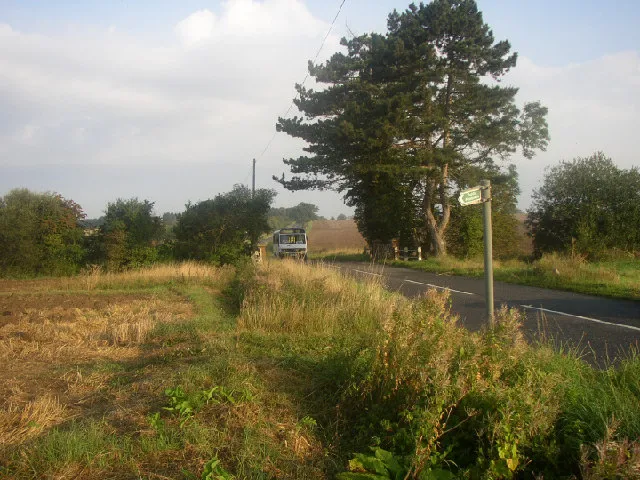
Photo: mike, CC BY-SA 2.0, via Wikimedia Commons
It’s just after eight on a damp November morning. The windscreen is misted, the engine is cold, and the queue outside the school gate is already three cars deep. You inch forward, stop, hold the car on the bite while someone reverses out of a space, then crawl another twenty yards. The trip is barely half a mile. It also happens twice a day, five days a week, for most of the year.
That routine is the bit many drivers miss when they think about clutch wear. Term-time driving isn’t motorway mileage or even classic rush-hour congestion. It’s a repeated pattern of cold starts, low-speed manoeuvring and cramped kerbside decisions — and a clutch feels every one of them.
The half-mile journey that never warms through
A clutch doesn’t need the engine to be fully warm in order to work, but a short school run asks it to do more work per mile than almost any other kind of driving. From the driveway to the school gate, you might use the clutch a dozen times: pulling out of a parking space, stopping at a junction, creeping along a queue, reversing into a drop-off gap, then doing the whole thing again on the way home.
On a motorway run, the clutch is often fully engaged for mile after mile. On the school run, it is constantly being slipped, released and re-engaged at walking pace. The engine and gearbox never get a proper warm-through, either. That means more condensation in the oil, more short cold-start cycles and less chance for the car to settle into its efficient stride. The clutch itself doesn’t care about the engine temperature gauge, but the whole drivetrain is working in stop-go, low-speed conditions that generate heat in the friction material without much airflow to carry it away.
Do that twice a day and the wear adds up quietly. The mileage may look tiny on paper; the number of clutch events does not.
The school gate is a clutch test centre
School gates concentrate everything a clutch dislikes into a few square metres. There are parents edging out of parking bays, children stepping between cars, Delivery drivers blocking the turning circle and someone attempting a three-point turn in a street that really only has room for two points.
The most common habit is holding the car on the clutch while waiting. On a slight slope, or even on the flat with a queue shuffling forward, it’s tempting to keep the car in gear and use the bite point to stop it rolling. That keeps the clutch partially engaged and slipping, which creates heat and wears the friction surfaces. A handbrake — or the electric parking brake — is the better tool for waiting. Use it, then release it only when you’re ready to move properly.
It also helps to leave a bigger gap than you think you need. A car length or two between you and the vehicle in front means you can often keep moving slowly rather than stopping and starting repeatedly. And if you’re early, park a few streets away and walk the last stretch. That’s not just healthier; it removes your car from the most clutch-heavy few hundred yards of the journey.
Hill starts when the street is full
Many UK school streets are narrow, cambered and lined with parked cars. Add a steep gradient and a busy drop-off time, and you have the perfect conditions for clutch slipping. Drivers often try to hold the car on the bite while waiting for a gap, then accelerate away with a little too much revs and a rushed release.
A calmer routine works better: use the handbrake, find the biting point deliberately, then release the handbrake as you pull away. If you’re in a car with hill-start assist, let it do its job rather than fighting it with extra clutch slip. And if the gap isn’t there, wait. A rushed hill start in a crowded street is exactly how glazed friction material and a juddering pedal begin.
Cold, damp and in a hurry
Term-time mornings are often rushed. The car is de-icing, the traffic is heavier, and the school bell doesn’t wait. That combination encourages jerky clutch use: fast releases, high revs and short, sharp manoeuvres.
You don’t need to idle the car for ten minutes to warm it through. Modern engines prefer being driven gently. But the first mile should be smooth: early gear changes, light throttle and no aggressive clutch slipping. Clear the windows properly before you set off, rather than peering through a letterbox of glass and making hurried corrections at the gate. A calm start tends to lead to a calmer clutch foot.
Fewer clutch events, not just fewer miles
The goal isn’t to avoid driving your children to school. For plenty of families, that’s not realistic. The goal is to reduce the number of unnecessary clutch actions in a journey that is already clutch-heavy.
Choose a drop-off point that avoids hill starts and tight turns. Use a car park rather than a kerbside shuffle. Pull through a space if you can, so you don’t have to reverse out into a busy street. Avoid multi-point turns when a short walk would do. If you’re waiting, switch off and park properly rather than creeping forward every few seconds.
These are small adjustments. But over a school year, they add up to thousands of fewer clutch slips, fewer heat cycles and less wear on a component that was never designed to spend its life at walking pace outside a primary school.
The bill you don’t see coming
Clutch wear is cumulative. A car that does 4,000 miles a year on short school runs can wear its clutch faster than a motorway car that does three times the mileage. The symptoms often arrive slowly: a bite point that creeps higher, a slight judder when pulling away, or a pedal that feels less precise than it used to.
If you notice those signs, get them checked before they become a roadside breakdown. A mobile clutch fitter can assess the car at home, which is handy when the school run can’t wait. But the best repair is the one you avoid — and term-time driving gives you plenty of chances to go easier on the hardware.