The Two-Pedal Drift: Buying a Used Manual When Fewer Drivers Know a Bite Point
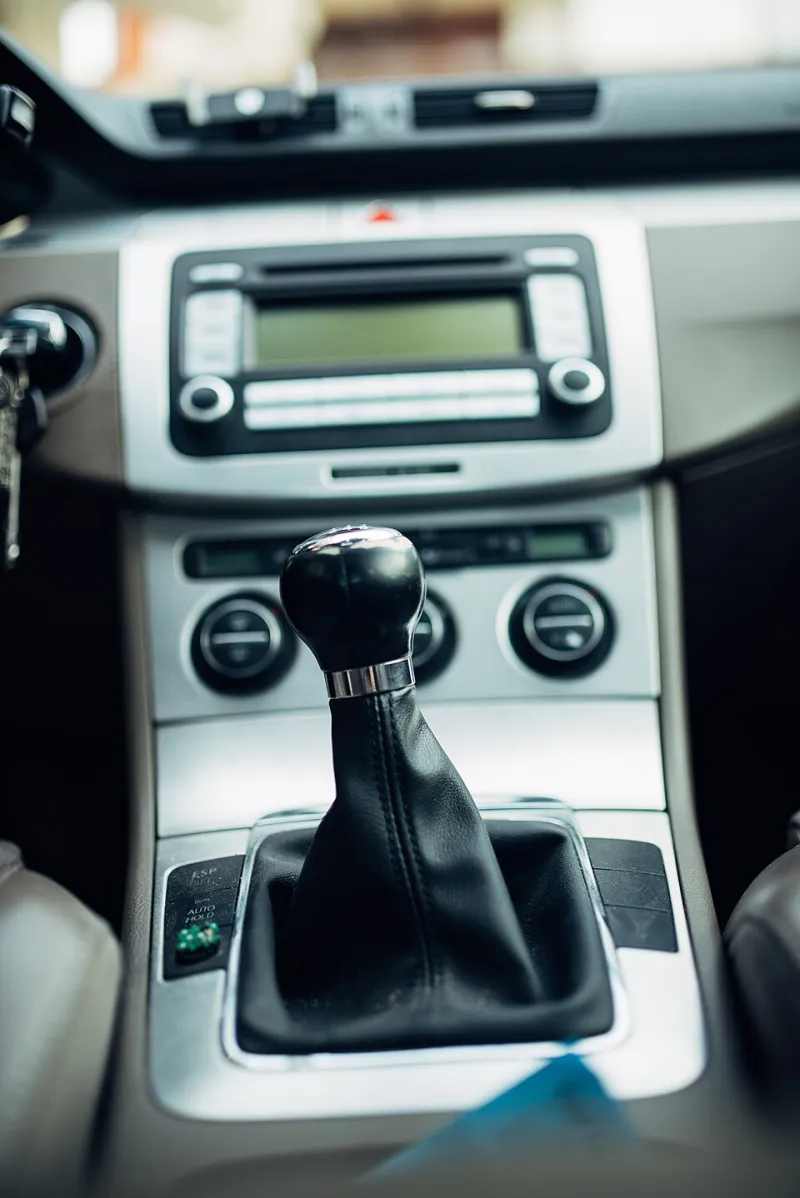
Photo: Shixart1985, CC BY 2.0, via Wikimedia Commons
There is a quiet change happening in British car culture, and you can hear it at the kerbside. Driving school cars are increasingly automatic. Learners are choosing automatic-only licences because that is what they plan to drive. And the old assumption that every driver can jump into a manual, find the bite point and pull away smoothly is starting to look a little old-fashioned.
That does not mean the manual gearbox is disappearing overnight. Far from it. Britain’s used market is still packed with three-pedal cars, and plenty of drivers still want them. But the pool of people who really know what a healthy clutch feels like is shrinking. For anyone buying a used manual in 2026, that matters more than it first appears.
A smaller pool of left feet
For decades, the manual clutch was part of learning to drive. You stalled at a junction, you learned to feather the pedal, and you developed a feel for when the car was about to move. That shared experience meant most buyers had at least a rough idea of what a worn clutch felt like.
Now picture a private seller who has spent the last ten years in automatics. They may genuinely have no idea whether their manual car’s high bite point is normal, tired, or just a quirk of the model. They are not lying when they say the clutch feels fine. They may simply not have the reference points to know otherwise.
On the other side of the sale, a buyer who passed in an automatic may be equally unsure. They might mistake a sharp bite for a problem, or a slipping clutch for turbo lag. The result is not necessarily dishonesty. It is a gap in shared knowledge — and that gap can land someone with a four-figure clutch bill shortly after they get the keys.
The clutch does not read the licence
A clutch wears according to use, not paperwork. Stop-start traffic, hill starts, reversing on a slope, towing, heavy loads and the classic habit of resting a foot on the pedal all take their toll. Two cars with identical mileage can have very different clutch life depending on who drove them and how.
That is why the shrinking manual-driving pool is not just a cultural curiosity. It affects the used market’s ability to self-police. When fewer sellers can describe a clutch accurately, and fewer buyers can test one confidently, the risk moves onto the person who pays for the repair.
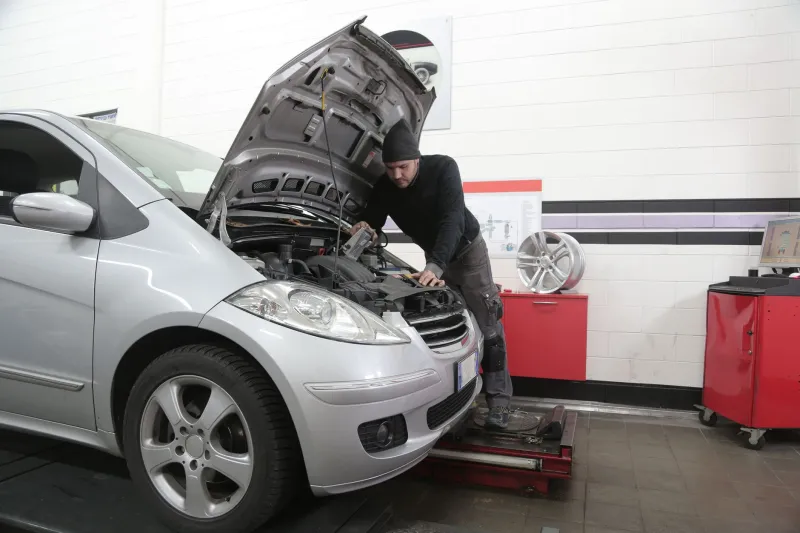
At Williams Mobile Clutch, we see the aftermath of this on driveways across the UK. A car arrives with a clutch that is juddering, slipping or making a noise, and the new owner is often surprised. They did the usual checks. The car looked tidy. The seller seemed decent. But nobody really put the clutch through a proper cold-start test.
What this means for used clutch bills
There is a temptation to say used manual cars will become cheaper because fewer people want them. That is only part of the story. Good manuals still hold value with enthusiasts, and many drivers prefer them for cost, control or simply habit. But the buying process is becoming less forgiving of guesswork.
If you are shopping for a used manual, treat the clutch as a budget item until proven otherwise. Ask for evidence of recent clutch work. Look for invoices, not just verbal reassurance. A clutch replacement is a significant job, and on many modern cars it is not a cheap one. Mobile fitting can reduce the inconvenience and sometimes the labour cost, but it cannot turn a worn clutch into a new one.
A sensible approach is to price the car as though the clutch might need attention, then negotiate if the evidence is thin. That does not mean every used manual needs a new clutch. It means the unknown should have a number attached to it.
Questions that reveal more than ‘the clutch is fine’
Start with the basics. Who drove the car most? Was it used for towing or frequent hill starts? Has it ever had a clutch or gearbox repair? Can the seller provide a cold-start demonstration, ideally on a level road?
Then test properly. With permission and insurance in place, try a few slow pull-aways. The bite point should be consistent, not vague or unusually high. Check for slipping by accelerating in a higher gear at low revs. Listen for rattles, whines or scraping. If the pedal feels heavy, spongy or slow to return, that is worth investigating.
And if you only hold an automatic-only licence, do not buy a manual to ‘learn later’ on the road. You cannot legally drive it on that licence. Sort the licence first, then the car.
The bite point is vanishing from memory, not from the road
The manual clutch is not dead. It is just becoming less familiar to the average driver. That makes used-car buying a little more forensic and a little less reliant on folk wisdom. The best defence is evidence: a cold test, a service history, a repair invoice and a realistic budget.
If the clutch does need replacing after you buy, a mobile clutch fitter can come to your home or workplace and get the job done without a recovery truck. That is the practical side. The smarter side is asking better questions before the money changes hands. In a two-pedal Britain, the left pedal still matters — you just have to know what to listen for.