Creep, Crawl, Clutch: Why Britain’s Stop-Start Habit Is Hard on Your Car
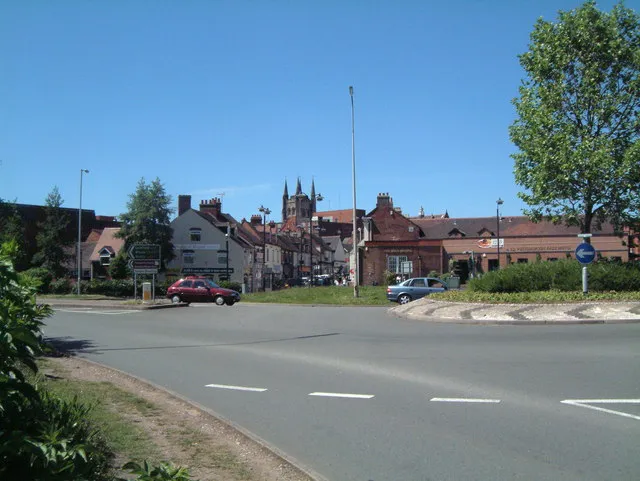
Photo: Chris' Buet, CC BY-SA 2.0, via Wikimedia Commons
There is a certain kind of British driving that does not look dramatic but quietly punishes the clutch. It is the school-run crawl, the box-junction shuffle, the retail-park queue and the hill start on a wet side street. Motorway miles may rack up quickly, but they are often gentle on the clutch. Town miles are a different story: plenty of launches, plenty of slipping, and very little cooling airflow.
Inside a manual car, the clutch is a pair of friction surfaces that connect the engine to the gearbox. Press the pedal and they separate. Release it and they meet. The tricky part is the middle: the biting point. Hold the pedal there and the plates slip against each other. That slip is useful for a smooth getaway. Do it thousands of times in slow traffic and the friction material pays the price.
Why town miles can be tougher than motorway miles
At a steady 70mph on a dual carriageway, the clutch is fully engaged and doing almost nothing. The engine, gearbox and wheels are locked together, and the only real wear is in the bearings and the normal service life of the parts. A queue on a ring road is the opposite. You stop, creep, stop, creep, edge out at a roundabout, wait at a box junction, then repeat. Every few metres you are slipping the clutch to move off gently.
That low-speed work creates heat. Heat is the enemy of friction material. A little heat is normal; repeated heat without a chance to cool can glaze the surface, reduce grip and lead to judder. Hill starts make it worse because the clutch has to take the weight of the car as well as the engine torque. Add a wet, greasy slope and a driver worried about rolling back, and the temptation is to hold the car on the clutch rather than the handbrake.
The habits that quietly add heat
Most clutch wear in traffic is not caused by one big mistake. It is a collection of small habits that feel normal at the time.
- Riding the clutch at the biting point in a queue, using the pedal to hold the car rather than the brake.
- Holding the car on a slope with the clutch instead of the handbrake or footbrake.
- Creeping forward inch by inch instead of waiting for a proper gap.
- Resting a foot on the clutch pedal while driving, which can keep the release bearing loaded.
- Launching with high revs and a slow pedal release, especially on cold mornings.
- Reversing uphill or shuffling in and out of tight parking spaces with lots of clutch slip.
- Carrying a heavy load or a full boot, which asks more of the clutch on every start.
None of these will kill a clutch in a week. But they all add heat, and heat adds up over months of urban driving.
What the heat actually does
Friction material is designed to wear slowly. When it overheats, it can glaze — think of it like a shiny patch on a brake pad. A glazed clutch may still work, but it can judder, grab unevenly or feel weak under load. The release bearing can also suffer if it is kept under pressure, and the dual-mass flywheel can start to rattle or vibrate if it has been asked to absorb too many harsh engagements.
You may notice a burning smell after a difficult hill start or a long queue on a hot day. That smell is a warning, not a normal feature of traffic. If it happens once and fades, keep an eye on things. If it happens regularly, get the clutch checked before a cheap repair turns into a gearbox-out job.
How to take the tax down a notch
You cannot remove traffic from your commute, but you can reduce the work the clutch does in it. Start by leaving a bigger gap. If you can keep the car rolling slowly instead of stopping and starting, you may be able to stay in first gear with the clutch fully engaged. If you are stopped for more than a few seconds, put the car in neutral and use the handbrake or footbrake. That takes the load off the clutch and the release bearing.
On hill starts, use the handbrake properly. Set it, find the biting point, add a little power and release the handbrake as the car pulls away. It feels old-fashioned, but it is far kinder than balancing the car on the clutch. When you move off, aim to get the clutch fully up as soon as you can without stalling or jerking. Avoid creeping forward in a queue just to gain a car length; wait, then move once.
Keep the hydraulic system healthy too. A soft pedal, a low bite point or a pedal that feels different after a long drive can point to air, a leak or a failing release mechanism. Those faults make the driver slip the clutch more, which speeds up wear.
When the queue has already done its damage
A worn clutch often announces itself gradually. You might notice the biting point is higher than it used to be, the engine revs rise without much acceleration, or the car judders when you pull away. A slipping clutch on a hill start is a clear sign that the friction surfaces are struggling. Do not wait for it to fail completely in the outside lane of a roundabout.
For drivers in busy towns and suburbs, a mobile clutch replacement can save a lot of hassle. At Williams Mobile Clutch, we can come to your home or workplace, inspect the clutch and advise whether it needs adjustment, repair or replacement. You do not have to take a day off work or arrange a tow across town. If the traffic has already taken its toll, a mobile fitter can often get you back on the road without adding another journey to the problem.