When the Gritter Goes Out: How Wet UK Roads Age Your Clutch
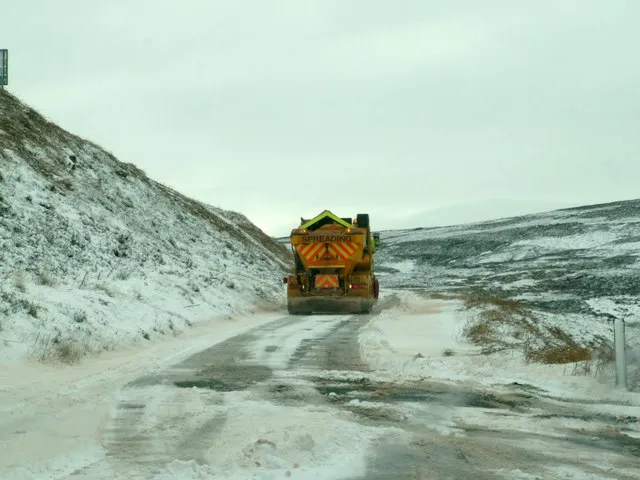
Photo: John Fielding, CC BY-SA 2.0, via Wikimedia Commons
A clutch lives in a tough place. It sits between the engine and gearbox, gets hot, gets loaded and is expected to last tens of thousands of miles. What it is not is sealed away from British weather. Road salt, flood water, grit and pothole shocks all find their way into the systems around it.
Most drivers think about clutch wear in terms of miles and driving style. That is only part of the story. In the UK, the environment under the car matters just as much. A clutch that copes fine with motorway miles can start to feel rough after a winter of short town journeys, salted lanes and broken tarmac.
Salt does not just attack bodywork
Road salt is excellent at turning steel into rust, and clutch hydraulic components are not immune. The slave cylinder, pipework and unions sit low down where spray collects. Over time, salt and moisture can corrode the line or damage the cylinder seals.
The first sign is often a pedal that feels slightly different: softer than usual, slower to return, or a bit spongy. Some drivers notice the bite point has moved. Others find a small damp patch under the car. Left alone, a corroded line can fail outright, leaving you with a clutch pedal that does nothing useful at all.
What it costs: a replacement clutch line or slave cylinder is often £120 to £300 fitted, depending on the car and access. That is far cheaper than ignoring it until the clutch is contaminated or the car needs recovery. If the hydraulic fault has affected the clutch itself, the bill moves into clutch kit territory.
Flood wading and water ingress
The clutch housing is not a submarine. It has breathers and openings, and deep water can get where it should not. If you drive through a flooded road — or a ford after heavy rain — water and grit can enter the bell housing area.
A small amount may drain away. A larger amount can rust the release bearing, contaminate the friction surfaces or leave grit where it will cause judder. Drivers often notice a chatter or judder for a few days after wading, then assume it has cleared up. Sometimes it has. Sometimes the damage has simply settled in.
What it costs: if water ingress has damaged the release bearing or friction plate, the gearbox has to come out. That means a clutch kit, usually £500 to £1,000 on a typical UK car, plus any hydraulic parts. Wading through unknown water is not worth that risk in a standard hatchback or estate.
Potholes send shocks through the whole drivetrain
A pothole is not just a tyre and suspension problem. The jolt travels through the engine mounts, gearbox mounts and release bearing. Repeated shocks can accelerate wear in mountings and put extra strain on the clutch release mechanism.
On rural lanes, the damage is often cumulative: broken edges, patched surfaces and sunken drains. In busy towns, it is the same story in shorter bursts — speed humps, raised ironwork and crumbling junctions. A clutch that already has some wear may start to judder or make a noise after a bad hit.
What it costs: worn engine or gearbox mounts can mimic clutch faults. If a garage replaces the clutch without checking the mounts, the judder may remain. Mount replacement varies widely, but ignoring a failing mount can put extra load on the clutch and exhaust. A proper inspection should include both.
Why winter exposes tired components first
Cold weather makes rubber less flexible and hydraulic fluid thicker. A marginal slave cylinder seal or a tired release bearing can feel acceptable in mild weather and noticeably rough on a frosty morning. Add salt spray from gritted roads and you have a combination that finds weak points.
Short winter journeys make it worse. The car never gets fully warm, condensation forms, and the clutch may spend weeks doing low-speed town work without a decent run. That is not a reason to avoid short trips, but it is a reason to pay attention to changes in pedal feel and noise.
Warning signs to watch for in wet months
- A pedal that feels soft, spongy or slow to return after a cold start.
- A low clutch fluid level, or dampness around the slave cylinder.
- Judder when pulling away, especially after the car has been standing in rain.
- A whine or rumble when the clutch pedal is pressed.
- Revs rising without matching acceleration on a damp uphill pull.
- A burning smell after reversing or manoeuvring in traffic.
None of these guarantees a clutch replacement. Some point to hydraulics, some to mounts, some to the release bearing. The point is to get them checked before a small fault becomes a gearbox-out job.
Practical prevention for town and country drivers
You cannot control the weather or the state of the road, but you can reduce the exposure. Wash the underside of the car after spells of gritting, especially if you have been driving on treated lanes. Avoid deep flood water where possible; if you must pass, do it slowly and steadily, and get any new judder checked afterwards.
At junctions, use the handbrake rather than holding the car on the clutch. In traffic, stop properly rather than creeping on the biting point. On potholed roads, reduce speed and avoid clouting broken edges at an angle. Check the clutch fluid level periodically if your car has an accessible reservoir, and book an inspection if the pedal feel changes.
Why mobile fitting makes sense when the clutch is tired
If your clutch is already showing warning signs, driving it to a garage can be a gamble, especially in wet weather. A mobile clutch fitter can come to your home or workplace, inspect the fault and carry out the repair without you nursing a slipping clutch across town.
Williams Mobile Clutch provides mobile clutch repair and fitting across the UK. Whether you are on a rural lane or a busy residential street, the aim is the same: diagnose the real cause, explain the cost clearly and get the car back to normal without adding unnecessary stress to an already worn component.
British roads are hard on clutches. Salt, water and broken tarmac all play a part. The drivers who avoid the biggest bills are not the ones who never hit a pothole — they are the ones who notice the warning signs early and act before winter turns a small hydraulic leak into a full clutch job.