When the Motor Helps but the Clutch Still Works: Mild-Hybrid Manual Care for UK Drivers
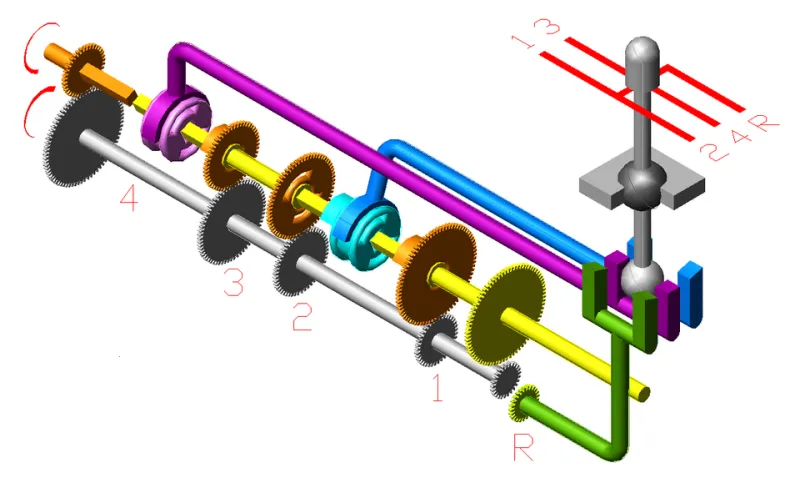
Photo: World arm lamp at English Wikipedia, modification by User:KVDP, Public domain, via Wikimedia Commons
Mild-hybrid manual cars have quietly become part of ordinary British motoring. A small 48-volt system, a belt-driven starter-generator and a little battery under the boot floor now turn up in plenty of family hatchbacks, small SUVs and fleet cars. From the driver’s seat, the appeal is simple: a bit more pull away from the lights, a smoother restart and slightly better economy on the school run.
But there is a temptation to think the clutch has changed with the badge. It hasn’t. The pedal on the left still operates a friction clutch between the engine and the gearbox. It still slips when you pull away, still takes the strain on a hill and still wears out. The mild-hybrid hardware changes how the car behaves around the clutch, not whether the clutch exists.
That distinction matters in 2026, because more used mild-hybrid manuals are reaching the age where clutch condition becomes a buying question. Treat one like a full EV and you’ll miss the usual checks. Treat it like an old petrol manual and you’ll miss the way the assist system flatters bad habits.
What the hybrid part actually does
A mild-hybrid manual is not an electric car with a gearstick. In most UK-market examples, the electric motor is an assistant rather than the main power source. It helps restart the engine, adds a small amount of torque at low speed and recovers energy under braking. It can make the engine feel more flexible and the stop-start system less of a nuisance.
The clutch, meanwhile, is still doing the same basic job: matching engine speed to gearbox speed without sending a jolt through the drivetrain. The assistance may make a second-gear pull-away feel less laboured, but the clutch is still the part that has to slip to get the car moving. Stop-start may restart the engine quickly, but the clutch still has to reconnect smoothly when you release the pedal.
Regenerative braking is another area where drivers can get the wrong idea. It recovers energy when you slow down; it does not somehow take wear off the clutch. Some systems also shut the engine down on the overrun or while coasting, then restart when you press the clutch. That can feel seamless, but it doesn’t remove the need for clean pedal control at junctions.
Why these cars age a clutch differently
The wear isn’t automatically faster or slower. What changes is the sort of behaviour the car encourages.
The low-speed confidence trap
Extra low-down torque can make a tall gear feel more usable. A driver who would once have dropped to first for a tight car park might now try second, relying on the assist to keep the engine from stalling. That can mean more time spent slipping the clutch at low speed. It feels smooth, but smooth isn’t the same as kind.
The stop-start shuffle
In heavy traffic, the engine cuts, restarts, cuts again. Some drivers rush the bite point because they want to be moving before the car behind closes the gap. That hurried release is exactly when judder and unnecessary slip creep in. The restart itself is usually quick, but the clutch still wants a measured left foot.
The quiet-engine habit
When the engine is off at the lights, it is easy to sit with the clutch pedal pressed and the car held on the bite. Do that regularly and you’re asking the clutch to do the job of the handbrake. Use the brake or handbrake instead, especially on slopes and in stop-start queues.
The higher-gear motorway slip road
Mild-hybrid assistance can make a car feel gutsier in the mid-range. That’s fine on a steady A-road, but it can encourage drivers to stay in a higher gear when they need to accelerate. If the car feels flat and you respond by slipping the clutch to smooth it out, you’re masking the real issue: the wrong gear for the speed.
Gear choice and bite-point habits that help
Use first gear for normal pull-aways. Second is fine when you’re already rolling downhill or creeping in a queue, but only if you can fully engage the clutch quickly. Don’t use the assist as an excuse to labour the engine in too tall a gear and then feather the clutch to compensate.
At roundabouts, choose the gear before you reach the gap. Sitting on the clutch while you wait for a clear stretch is a classic UK clutch killer, and a quiet hybrid engine makes it easier to forget you’re doing it. On hills, use the handbrake or the car’s auto-hold function if it has one. Don’t hold the car on the bite point while you check your mirrors.
When the engine restarts, give it a beat to settle before you release the pedal. The system is designed to be quick, but a smooth bite is still quicker than a jerky one that sends a shudder through the car. And keep your left foot off the pedal when you’re not changing gear. Resting it there is a small habit with a large repair bill attached.
Warning signs specific to mild-hybrid manuals
Because the engine is often quiet, clutch problems can show up in slightly different ways. A worn clutch may reveal itself as revs rising without matching speed, a bite point that has crept high, or a vibration through the pedal. You might notice a hot, sharp smell after a hill start or a low-speed manoeuvre. A rumbling or whirring when the pedal is pressed can point to the release bearing.
The mild-hybrid system can also flatter a tired clutch for a while. A car that feels fine on a flat B-road may slip when it’s fully loaded on a steep hill or when you ask for a quick overtake. If the engine restart feels more like a clunk than a clean catch, don’t assume the battery is to blame; engine mounts and clutch components can both cause vibrations that feel similar from the driver’s seat.
One more thing: don’t confuse a hybrid-system warning with a clutch fault. A dashboard message about the 48-volt system is not a diagnosis of the clutch, and vice versa. If getaways are juddering, get the clutch and hydraulics checked rather than jumping straight to the battery.
What to do when the pedal starts to feel tired
A clutch that is slipping, juddering or making noises rarely fixes itself. Early diagnosis is cheaper than waiting for the car to become undriveable. A mobile clutch fitter can inspect the car at home or at work, confirm whether the issue is the clutch, the release mechanism or the hydraulics, and quote for a replacement without you having to limp to a garage.
Ask for a clear breakdown: clutch kit, labour, VAT and whether the flywheel is being checked or replaced. On a mild-hybrid manual, the extra hardware doesn’t usually change the clutch replacement itself, but it does mean the fitter needs to know the car’s system and follow the correct procedure for restarting and testing it afterwards.
The mild-hybrid manual is still a manual at heart. The electric assistant can smooth the rough edges, but it can’t take the wear out of a rushed bite point or a habit of holding the car on the clutch. Look after the pedal and the car will feel just as easy to live with when the battery assist is quietly doing its job.