The Jolt You Feel Twice: How Potholes Quietly Wear Your Clutch
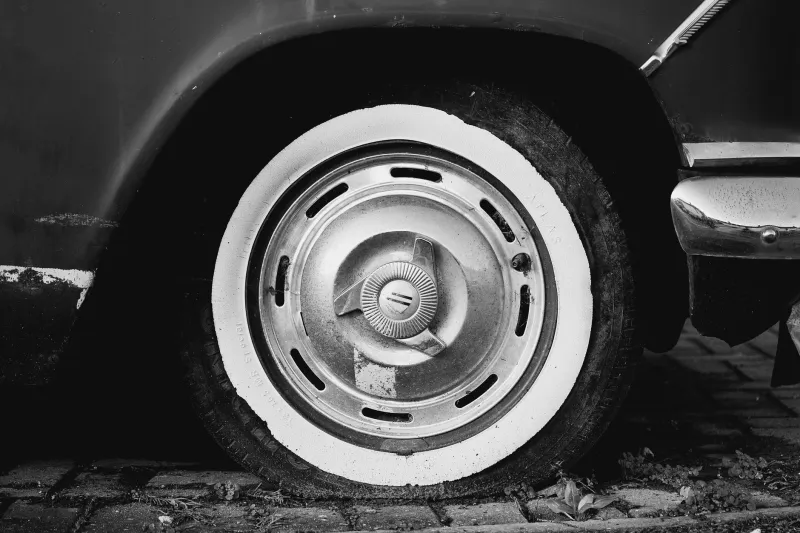
You feel the thump through the floor, wince, and carry on. Maybe you make a mental note to check the tyre later. What most of us don’t think about is the second bill — the one that arrives months later, quietly, under the left foot. Potholes don’t usually smash a clutch directly. They wear it indirectly, by shaking the drivetrain and by changing the way we drive around broken tarmac.
That matters in Britain in late 2026, when the phrase “surface dressing” can feel like wishful thinking and every other B-road seems to have a crater with its own postcode. If you’ve been thumping through the same worn stretch on your commute, it’s worth understanding what those jolts are doing beyond the obvious.
The pothole doesn’t hit your clutch — your driving does
A clutch is a friction part. It wears when it slips, and it slips most when you’re creeping, crawling or holding the car on a hill. Pothole-heavy roads encourage exactly that behaviour. You slow to walking pace, edge around the worst of the damage, stop and start in traffic, and feather the pedal to keep the car smooth over a mess of patched tarmac.
Every one of those low-speed manoeuvres asks the clutch to do a little more work than a clean, steady pull-away would. Do it daily and the wear adds up. The road hasn’t touched the clutch plate, but it has changed your driving style — and your driving style is what wears the clutch.
Engine and gearbox mounts: the silent middlemen
The more direct damage happens under the bonnet. Engine and gearbox mounts are designed to absorb vibration and hold the drivetrain in place. A heavy pothole impact sends a sharp jolt through the suspension, subframe and mounts. One hit is rarely fatal. Repeated hits, especially on the same side of the car, can degrade the rubber.
When a mount goes soft or cracks, the engine and gearbox can move more than they should. That movement can affect clutch actuation, gear linkage alignment and the way power is delivered. You might notice a clunk on pull-away, a shunting sensation in traffic, or a judder that wasn’t there before. None of those automatically mean “new clutch”, but they can make an existing clutch feel worse — and they can mask the early signs of wear.
The low-speed slip trap
There’s a habit that pothole season encourages: riding the clutch to stay smooth. You hold the car on the bite point while you pick a line through broken tarmac. You slip the clutch to crawl over a raised ironwork cover. You feather it in stop-start traffic because the road surface is too uneven for a clean start.
That’s understandable. It’s also heat. Clutch friction material wears faster when it’s hot and slipping. On a route with lots of damaged tarmac, you can end up doing more low-speed clutch work than you would on a smooth road — and that’s before you factor in the extra jolts through the drivetrain.
What gets masked
Potholes are excellent at hiding symptoms. A judder that might be clutch-related gets blamed on the road. A rattle that could be a worn release bearing gets written off as trim noise. A vibration at 30mph feels like the surface, not the car. Even a slightly high bite point can go unnoticed if you’re spending half your journey dodging craters.
An MOT won’t tell you your clutch is tired. It checks safety and emissions, not friction material thickness. So the pothole tax is often invisible until something gets noticeably worse — usually on a cold morning, or on a hill, or when you finally get a clean stretch of road and realise the car doesn’t feel right.
After a heavy hit: a five-minute driveway check
You don’t need a ramp to do a basic post-impact check. Park somewhere safe and level, then run through this:
- Look for leaks. A sharp impact can disturb hydraulic clutch lines or seals. Check under the front of the car for fresh fluid.
- Feel the pedal. Is it softer than usual? Does it sink? Has the bite point moved closer to the floor?
- Listen on start-up. A new rattle or whine that changes when you press the clutch is worth noting.
- Do a gentle pull-away. Find a quiet spot and pull away normally. Any judder, slip or unusual noise?
- Check for new vibration. If the car shunts or clunks when you lift off or change gear, suspect mounts as well as clutch.
- Note the symptoms and the date. If you end up booking a repair, a timeline helps.
When a mobile clutch check is worth booking
If a heavy pothole hit has changed the way the car drives — new noises, a different pedal feel, judder on pull-away — it’s worth getting it looked at. A mobile clutch specialist can assess the clutch, check for obvious mount movement and tell you whether you’re dealing with wear, damage or something else entirely.
At Williams Mobile Clutch, we cover clutch repair and mobile fitting across the UK, so you don’t have to limp to a garage with a car that feels off. A check is especially sensible if you’ve had repeated impacts, a high-mileage clutch, or a pedal that’s been slowly changing over the past few months.
The bill you don’t see coming
Potholes are a tax on suspension, tyres and tracking. But they also tax the clutch — through extra low-speed slip, through shaken mounts, and through the way a rough road hides early warnings. You can’t fix the tarmac. You can, though, pay attention after a heavy hit, keep an eye on your pedal and book a check before a small annoyance becomes a four-figure repair.